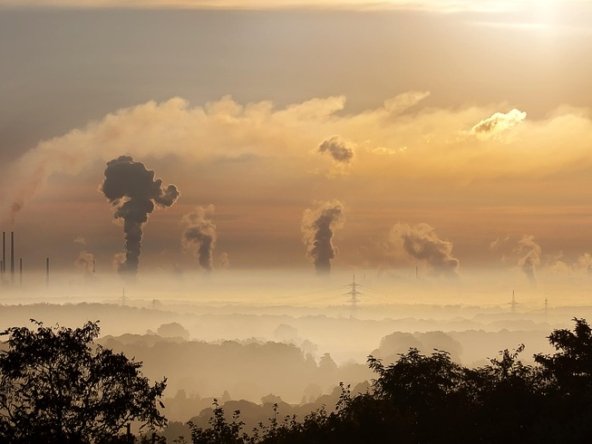


Navigating Change: The Global Energy Crisis and the Role of Modern CRM Solutions
As nations grapple with escalating energy prices and supply constraints, the recent announcement from OPEC+ to cut oil production has sent shockwaves through global markets. This move, aimed at stabilizing plunging oil prices, is underscored by geopolitical tensions and a shifting economic landscape. As the world transitions from traditional energy sources to sustainable alternatives, businesses must adapt to ensure their operational strategies remain robust amidst fluctuating energy costs.
Context: OPEC’s Strategic Maneuver
OPEC+’s decision to reduce oil output is not merely a response to current market conditions; it represents a strategic pivot toward controlling market supply as the demand landscape shifts significantly. With many countries prioritizing green energy initiatives, the implications of these cuts could ripple through various sectors—from transportation and manufacturing to logistics and beyond.
This development raises critical questions for enterprises: How do we mitigate our exposure to rising fuel costs? How can we optimize our supply chains while aligning with sustainable practices? Such concerns are not just industry-specific; they resonate across the spectrum of our interconnected global economy.
Business Implications: Adapting to Energy Instability
The energy crisis necessitates that companies rethink their operational frameworks. Businesses that heavily rely on fossil fuels may find their cost structures dramatically altered, jeopardizing profit margins. Moreover, consumer behavior is witnessing a transformation, with buyers increasingly favoring brands that exhibit environmental sustainability and corporate responsibility.
Adaptability becomes paramount. Enterprises must engage in more granular financial forecasting, optimizing budgets to account for volatile energy costs, while simultaneously investing in alternative energy sources and technologies. The transition may be challenging, but it also opens avenues for innovation and growth.
The Technological Solution: CRM as a Catalyst for Change
In this context, modern Customer Relationship Management (CRM) solutions like Ancoia play a pivotal role in enabling businesses to thrive amidst disruption. CRM systems are no longer just about managing customer interactions; they are vital for strategic decision-making that aligns with fluctuating market dynamics.
-
Data-Driven Insights: Ancoia provides robust analytics tools that allow organizations to track customer behaviors and market trends. This data enables businesses to anticipate changes in purchasing habits driven by fluctuating energy costs and to adjust marketing and sales strategies accordingly.
-
Operational Efficiency: By streamlining customer interactions and automating processes, Ancoia helps businesses eliminate inefficiencies that can be exacerbated by rising costs. Enhanced operational efficiency not only lowers overhead but also allows organizations to respond swiftly to changing market conditions.
-
Customer Engagement and Retention: As consumer priorities evolve, maintaining customer loyalty becomes more crucial. Ancoia’s segmentation and personalized communication features facilitate deeper engagement, allowing brands to explain their commitments to sustainability and responsible sourcing—factors that increasingly influence purchase decisions.
-
Flexibility and Scalability: The adaptability of a CRM system like Ancoia allows companies to scale their operations in response to market conditions. This flexibility is essential when navigating uncertainties in energy supply and costs, enabling businesses to pivot quickly in response to disruption.
Conclusion: A Call to Embrace Change
The current global energy crisis is a clarion call for businesses to embrace change. Organizations that invest in modern CRM solutions like Ancoia not only equip themselves to navigate the complexities of today’s market but also position themselves at the forefront of their industries. By harnessing data and optimizing customer interactions, companies can demonstrate resilience and responsiveness when faced with external pressures.
Now is the time to reassess strategies, rethink operational models, and forge stronger connections with customers. As businesses move forward, aligning technological innovation with sustainability goals can turn challenges into opportunities, setting the stage for long-term growth and competitiveness in an ever-evolving landscape.