
Navigating the Global Energy Transition: Implications for Business Strategy and CRM
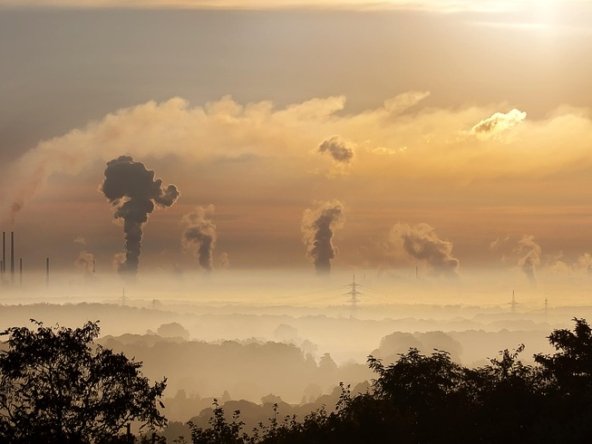
In a significant turn of events, the global community is witnessing a deliberate shift towards renewable energy sources as governments and corporations alike confront the realities of climate change. On October 25, 2023, the United Nations released a pivotal report outlining that 90% of greenhouse gas emissions stem from the energy sector. Amidst rising energy costs and geopolitical tensions, nations are ramping up investments in renewables such as solar, wind, and hydrogen. This shift holds profound implications for businesses across sectors as they must adapt to an evolving landscape defined by sustainability.
The Implications of the Energy Transition
Understanding and navigating this energy transition is no longer a choice—it’s a necessity for businesses aiming to thrive. Corporations that can effectively pivot toward sustainable practices stand to gain not only in reputation but also in financial performance. For instance, research indicates that companies implementing comprehensive sustainability strategies outperform their counterparts in the market by a substantial margin.
This transition is not merely a regulatory response; it represents a fundamental change in consumer expectations and competitive benchmarks. As energy prices fluctuate and supply chains grow more complex, identifiers of resilience are being redrawn. Companies investing in sustainable practices can unlock new revenue streams while enhancing customer loyalty and brand value.
The Role of Modern CRM Solutions in Transformation
As firms embark on their journey towards sustainability, customer relationship management (CRM) solutions like Ancoia (app.ancoia.com) can be pivotal in driving this transformation. With the energy transition necessitating enhanced communication and transparency, CRM systems have emerged as essential tools for businesses seeking to align their operations with modern consumer expectations.
1. Enhanced Customer Insights:
Ancoia’s robust analytics capabilities allow companies to collect and analyze vast amounts of customer data. By understanding consumer preferences for sustainability, businesses can tailor products and marketing strategies that resonate with their evolving values. This means distinguishing between consumers who prioritize eco-friendly practices versus those who are primarily price-driven.
2. Streamlined Operations:
By integrating sustainability initiatives into a company’s core operational strategy, CRMs facilitate improved communication and coordination across various departments. Ancoia enables teams to work in synchrony, ensuring that marketing campaigns, product development, and customer service align with sustainability goals. That synergy translates to cost savings and enhanced service delivery, ultimately boosting competitiveness.
3. Building Trust through Transparency:
As transparency becomes a crucial factor in consumer decision-making, modern CRM solutions offer tools for businesses to showcase their sustainability practices. With real-time reporting features, Ancoia empowers companies to share progress on sustainability goals, thereby fostering trust and loyalty among consumers increasingly concerned about corporate accountability.
4. Adaptability in an Uncertain Market:
The energy transition presents not only challenges but also opportunities for innovation. Ancoia’s flexibility enables businesses to rapidly adapt their offerings in response to shifting market dynamics. Whether launching a new eco-friendly product line or adjusting pricing strategies in response to energy cost fluctuations, CRMs provide the agile framework necessary for effective decision-making.
Why this Matters
As the world moves toward a greener future, companies that leverage modern CRM solutions will not only adapt but lead in the new economy. The convergence of technology, consumer behavior, and sustainability mandates a shift from traditional business models to more dynamic, interconnected operations where customer engagement and corporate responsibility are paramount.
In conclusion, the energy transition is reshaping the business landscape, demanding that organizations rethink their strategies. Modern CRM systems like Ancoia are vital allies in this journey—equipping businesses to understand, anticipate, and fulfill the expectations of a conscientious consumer base. By marrying technology with sustainable practices, companies can secure not only a competitive edge but also a role in driving meaningful change for a more sustainable future.