
Navigating Change: How Global Events Shape Business Strategy and CRM Solutions
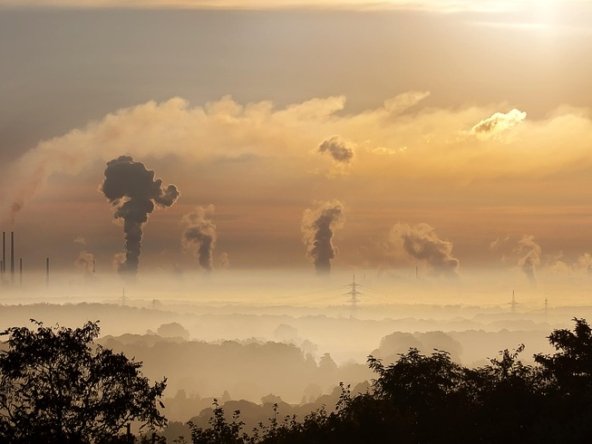
In a world where the pace of change has never been faster, the recent news from the United Nations Climate Change Conference (COP28) has taken center stage. As global leaders convene to tackle the escalating impacts of climate change, the focus on sustainability and corporate responsibility is more pronounced than ever. The discussions aim to forge ambitious commitments and actionable pathways to reducing carbon footprints and promoting resilience among industries.
This gathering of policymakers, scientists, and business leaders represents more than just a discussion of environmental policies; it signifies a pivotal turning point for how businesses will operate in a climate-conscious world. Companies are increasingly recognizing that sustainable practices not only enhance brand reputation but are also essential for long-term viability in a marketplace that values sustainability as much as profitability.
The Business Implications of COP28
As nations outline stricter sustainability targets and commitments, businesses will need to adjust not only their operational strategies but also their customer engagement approaches. The trend of companies integrating Corporate Social Responsibility (CSR) into their core strategies is on the rise. For instance, a recent Deloitte report indicates that 56% of consumers actively seek brands that align with their values, particularly in terms of environmental sustainability.
This means businesses must do more than just pay lip service to sustainability. They need to gather intelligence, adapt their offerings, and communicate their CSR commitments effectively to maintain a competitive edge. The implications extend beyond compliance; they encompass areas such as product development, supply chain management, and customer relationship management.
The Role of Modern CRM Solutions
As businesses adapt to these new expectations, advanced Customer Relationship Management (CRM) solutions, such as Ancoia, are emerging as vital tools for navigating these complexities. Ancoia allows organizations to track customer preferences and behaviors, enabling them to craft tailored communications that resonate with their audience’s values—particularly around sustainability.
With features focused on data analytics and customer segmentation, Ancoia empowers businesses to understand not just what products are being purchased, but why. This level of insight lets companies innovate in alignment with consumer demands and societal expectations. For example, if a business discovers that a significant segment of its customer base prioritizes eco-friendly products, it can quickly pivot to highlight sustainable offerings, potentially gaining market share in an increasingly competitive landscape.
Embracing Adaptability and Transparency
Furthermore, as scrutiny of corporate sustainability practices increases, transparency becomes paramount. Consumers are demanding accountability from brands regarding their environmental impact. Ancoia’s reporting capabilities enable businesses to track their sustainability initiatives, analyze effectiveness, and communicate results back to stakeholders. In doing so, organizations can enhance trust and deepen relationships with customers, fostering loyalty in a crowded market.
In the context of COP28, companies may leverage Ancoia to measure and promote their contributions to sustainability. Whether through efficient energy use, reduced waste, or supporting ethical supply chains, firms can articulate their efforts effectively, translating them into compelling narratives that resonate with their audience.
Conclusion: Positioned for the Future
The significance of global events like COP28 extends far beyond political discourse; they represent a catalyst for changing business paradigms. Companies that understand the implications of these discussions are better positioned to adapt, grow, and thrive. With robust CRM solutions like Ancoia, organizations can not only respond to market changes effectively but also build meaningful, value-driven connections with their customers.
In essence, the challenge of staying competitive in a world grappling with climate change and growing consumer expectations is daunting. However, leveraging the insights and capabilities offered by modern CRM solutions provides businesses with a crucial advantage. By integrating sustainability into their core strategies and maintaining a customer-centric approach, companies can not only navigate today’s challenges—they can emerge as leaders in a transformed economy. As COP28 unfolds, the message is clear: adaptability, transparency, and customer engagement are no longer optional but essential for future success.