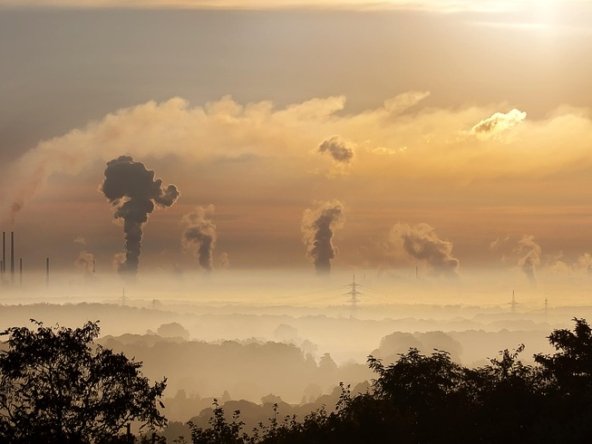

As economies around the globe grapple with pressing climate challenges, today’s headline is dominated by the United Nations Climate Change Conference (COP28) kicking off this week. Amid rising temperatures and increasing natural disasters, world leaders, business executives, and activists converge in Dubai to discuss ambitious targets for net-zero emissions by 2050. The urgency surrounding this event can’t be overstated; stakeholders of all stripes recognize that the transition to sustainable practices isn’t just an ethical imperative but an economic necessity.
Understanding the Context
The COP28 conference comes at a pivotal moment, as nations face substantial pressure to deliver on climate commitments made during previous summits. The Intergovernmental Panel on Climate Change (IPCC) recently emphasized that without immediate action, global temperatures could rise by 2.7°C by the end of the century, an outcome fraught with catastrophic implications. As a result, corporations are increasingly forced to align their strategies with sustainability targets dictated by regulatory frameworks and consumer demands.
Companies that lag in adopting these practices risk not only reputational damage but also significant financial losses. The International Finance Corporation estimates that climate-related risks could lead to losses of up to $23 trillion across the global financial system by 2050. Therefore, businesses are not merely participants in these discussions; they are pivotal actors in shaping a sustainable global economy.
Technology and Business Implications
The implications for businesses in various sectors are profound and multi-faceted. First, companies must now prioritize sustainability in their operational frameworks. This often requires significant investment in technology to monitor, report, and reduce carbon footprints. Enter modern Customer Relationship Management (CRM) solutions like Ancoia.
Ancoia exemplifies how innovative CRM platforms can be integrated into sustainability strategies. By leveraging advanced analytics and customer data, Ancoia enables businesses to identify the most ecologically conscious consumers, tailor marketing campaigns to promote sustainable products, and enhance customer engagement around sustainability initiatives. This not only helps corporations maintain competitive advantage but also strengthens brand loyalty in an increasingly eco-aware marketplace.
Taking it a step further, CRM solutions equipped with AI capabilities can forecast consumer behavior based on sustainability trends. For instance, if data shows that a significant segment of consumers prefers sustainably sourced products, companies can pivot quickly, introducing low-impact alternatives and adjusting inventory accordingly. The real-time insights provided by modern CRMs allow for swift adaptation in a rapidly changing market landscape.
Moreover, seamless integration of sustainability practices within CRM can facilitate transparency. As customers demand more information about the environmental impact of their purchases, a sophisticated CRM like Ancoia can store and share vital information, enabling businesses to communicate effectively about their sustainability efforts. This transparency not only meets consumer expectations but also builds trust—an invaluable commodity in today’s market.
The Way Forward
As the discussions unfold at COP28 and the world collectively grapples with the implications of climate change, businesses must leverage technology to reimagine their operational strategies. Sustainable practices and CRM solutions are not isolated factions of a corporate strategy; rather, they are interwoven threads that create a resilient fabric capable of withstanding the pressures of modern markets.
Embracing a CRM system like Ancoia positions companies not just as compliance-centric entities but as leaders in innovation and sustainability. The benefits are undeniable: operational efficiency, customer satisfaction, and ultimately, a robust bottom line.
In conclusion, modern businesses that understand the connection between global events, sustainability, and customer management will emerge as frontrunners in the transition toward a greener economy. It’s not merely about adapting to change—it is about leading it. Proactive engagement with both customers and the environment presents unparalleled opportunities for growth and innovation, reinforcing the importance of integrating smart customer management solutions into the core of company strategy. The future is here; it’s time to invest in it wisely.