Navigating Change: The Global Energy Crisis and the Role of CRM Solutions in Corporate Resilience
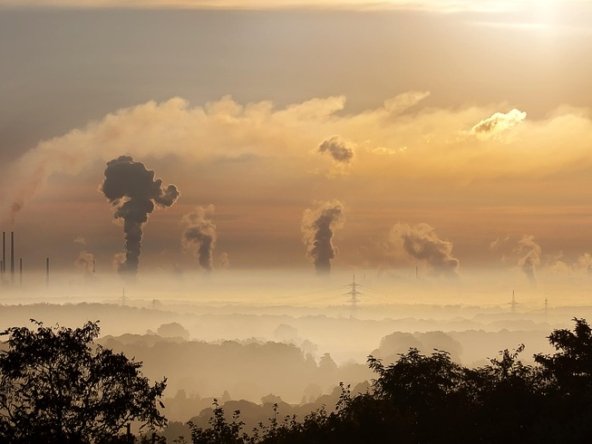
In the dynamic landscape of international events, today’s headlines reflect a pressing concern that echoes across businesses worldwide: the escalating energy crisis. As nations grapple with surging fuel prices, supply chain disruptions, and an urgent push for sustainable alternatives, the ramifications for industries and consumers are profound. The International Energy Agency (IEA) recently reported that global demand for energy is projected to rise 10% over the next two years, exacerbating an already strained market. The shift is not merely an economic issue; it underscores the urgent necessity for companies to pivot, innovate, and enhance their operational strategies in the face of mounting pressures.
Understanding the Energy Crisis and Its Implications
From manufacturing to logistics, the electricity and gas shortages are forcing organizations to rethink their business models. The crisis serves as a wake-up call, highlighting the vulnerabilities of relying on traditional energy sources and the urgent need to embrace green technologies. For companies, the implications are twofold: immediate operational adaptations and long-term strategic shifts towards sustainability.
As organizations navigate these challenges, customer relationships are more critical than ever. With consumers becoming increasingly conscious of energy consumption and climate change, businesses cannot afford to ignore how these factors influence customer preferences and loyalty.
The Role of CRM Solutions in Times of Crisis
Herein lies the strength of modern Customer Relationship Management (CRM) solutions such as Ancoia. Designed to support businesses in adapting to rapid changes in their environments, Ancoia offers robust tools for customer engagement, data analytics, and operational efficiency. Here’s how CRM technologies can drive resilience amidst the energy crisis:
-
Data-Driven Decision Making: Ancoia’s analytics features enable businesses to track customer preferences and purchasing behavior more effectively. Amid fluctuating energy prices, organizations can tailor their offerings to align with consumer sentiment, allowing for more responsive product development and marketing strategies.
-
Enhanced Customer Engagement: In an era when trust and transparency are paramount, Ancoia provides the tools to foster meaningful communication. Businesses can inform their customers about sustainability efforts, energy-saving initiatives, and pricing changes, reinforcing positive brand perception even in turbulent times.
-
Operational Efficiency: Many companies are facing increased operational costs due to rising energy prices. Ancoia can streamline business processes, identify inefficiencies, and optimize resource allocation. This agility not only conserves energy but also minimizes wasteful expenditures, fortifying financial health in an unpredictable market.
-
Continuous Innovation: Adaptation is crucial in today’s energy landscape. Leveraging Ancoia’s CRM capabilities, businesses can cultivate a culture of innovation by gathering customer feedback and data insights that inform new product development, customer service improvements, and strategic pivots.
-
Long-term Sustainability: The energy crisis is steering businesses toward a focus on sustainable practices. Ancoia’s integration with other technologies can help track energy use, assess carbon footprints, and ultimately aid in integrating sustainable initiatives into core operations. Not only does this meet regulatory expectations, but it also resonates with consumers increasingly valuing corporate social responsibility.
Conclusion
The current global energy crisis illuminates the critical intersection of business adaptation and customer relationship management. Companies that leverage modern CRM solutions like Ancoia stand to not only survive but thrive amidst uncertainty. By fostering resilience, enhancing engagement, and prioritizing sustainability, organizations can redefine their strategies in alignment with shifting consumer preferences and market realities.
As we look toward a future where energy demands will continue to rise, the insight gained from today’s challenges can serve as a catalyst for innovation and strategic foresight. Embracing technology in this journey isn’t merely a competitive advantage—it is essential for long-term growth and stability in an ever-evolving economic landscape.